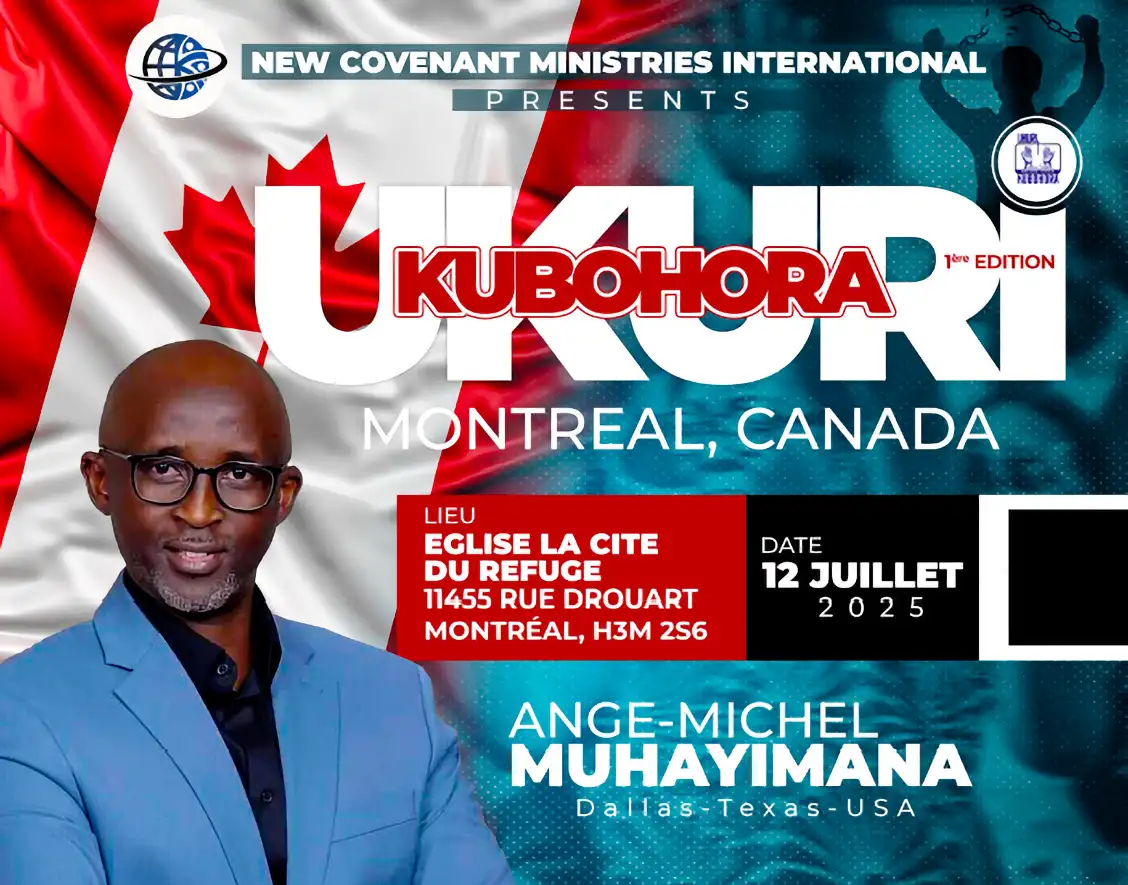
Ange-Michel Muhayimana
Ange-Michel Muhayimana
For many Christians, the subject of tithing is a source of guilt, pressure, and uncertainty. Are believers today truly required to give 10% of their income to remain in good standing with God and their church, or has this teaching become a deeply rooted tradition that lacks solid New Covenant foundation? This book offers a clear, rigorous, and grace‑centered re‑examination of one of the most widespread doctrines in the modern church. With a careful reading of Scripture and a pastoral heart, Ange-Michel readers to test what they have always heard about tithing in the light of the finished work of Christ.
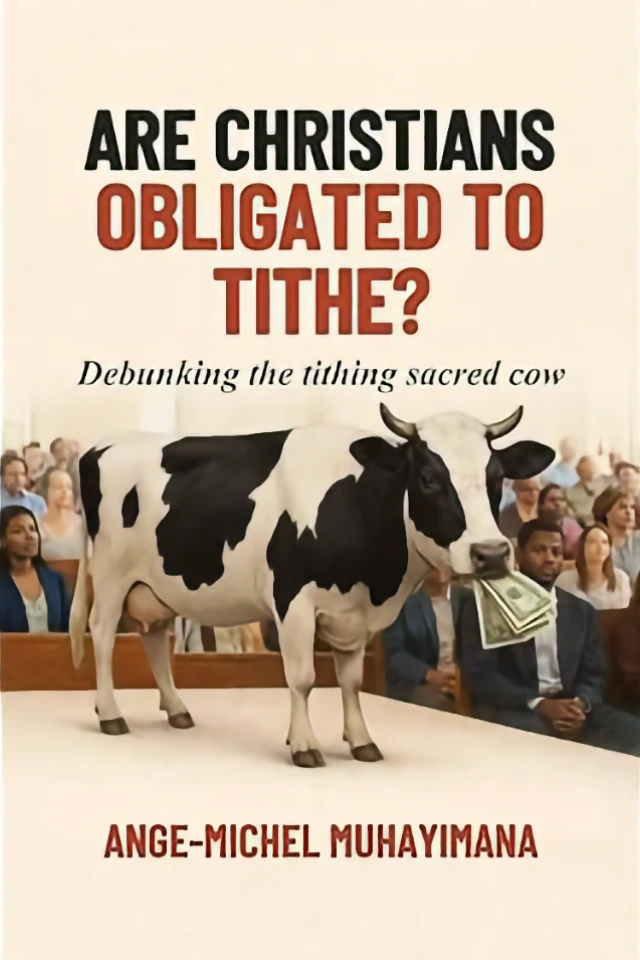
Drawing on both Old and New Testament passages, Ange-Michel analyzes the tithes of Abraham and Jacob and explains what their examples do—and do not—establish for Christians today. He uses many verses to elaborate how giving should be done under the New Covenant. In these pages, you will discover a liberating, biblical vision of Spirit‑led generosity that flows from gratitude rather than obligation. Whether you are a pastor, church leader, or believer seeking clarity, this book will help you move from confusion and fear‑based giving to a confident, joyful, and grace‑driven understanding of Christian generosity.
Ange-Michel Muhayimana
Ange-Michel Muhayimana
In this grace-filled and thoroughly researched book, author Ange-Michel Muhayimana shows the role that Moses played in the giving of the Law to the nation of Israel. He also shows how the Law of Moses excluded the Gentiles from citizenship in the land of Israel, how Gentiles were foreigners to God’s covenants recorded in the Bible, and how those known as proselytes were included in the Law of Moses for their citizenship in the nation of Israel.

Using many New Testament passages, Ange-Michel shows how Jesus considered Gentiles and how the early church leaders such as Paul and Peter understood that the Law of Moses was never given to the Gentile nations and consequently preached Jesus without the Law of Moses when in front of a gentile audience. He finally shows how as a New Covenant believer you can live a life free of legalism by trusting in Jesus and his finished work alone.
UKURI KUBOHORA with Ange-Michel Muhayimana
UKURI KUBOHORA with Ange-Michel Muhayimana
Dedicated to testifying to the Gospel of God’s Grace with Christ-centered teaching and interviews.
Dedicated to testifying to the Gospel of God’s Grace with Christ-centered teaching and interviews.